Visiting Cappadocia in February: A Complete Winter Guide
What to eat in Cappadocia in February: Seasonal delicacies
1/5
Kuru Kaymak (Dried Clotted Cream)
Kuru kaymak concentrates milk into a dense cream that air-dries, then cave-matures, and locals eat it with honey and bread at breakfast. February is peak season, when cold weather suits heavier morning spreads. Look for it at cave-hotel breakfasts like Village Cave House Hotel Breakfast in Göreme, and pair it with tea before pre-dawn tours.
Pureed red lentils with onion, carrot, and cumin arrive finished with paprika butter and lemon. February’s mix of snow and clear days makes it a reliable, budget-friendly meal between balloon attempts. It appears at most lokantalar, but Pumpkin Göreme Restaurant serves a consistent version, ideal as a late lunch before Ramadan evening dining.
Nevşehir tavası combines local vegetables like potato, capsicum, and tomato with lamb or beef, cooked in a wide pan for sharing. February is a good time because it matches cold days and the quieter restaurant scene. Order it at Cappadocian Cuisine Restaurant in Nevşehir, and ask for bread to scoop the pan juices.
This warm pekmez pudding thickens into a spoonable, almost caramel-dark bowl with no need for extra sugar. February suits it because evenings cool quickly and dessert becomes part of staying cosy after iftar-time crowds build. Order it hot at Pumpkin Göreme Restaurant, and eat it on-site so it does not set too firm while you walk back.
Simit is a sesame-crusted ring bread baked daily and sold from dawn by local bakeries and street vendors. February works well because you can grab a cheap, filling breakfast before early tours without relying on long café sit-downs. Buy it from Göreme town centre stalls, then pair it with tea or white cheese at your hotel.
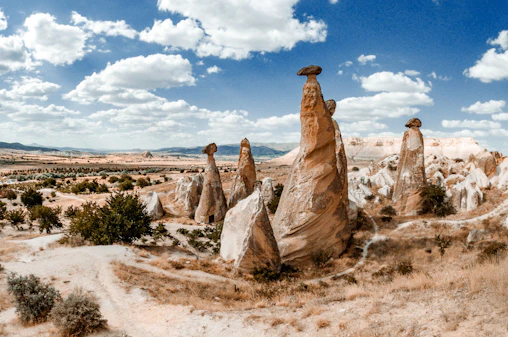
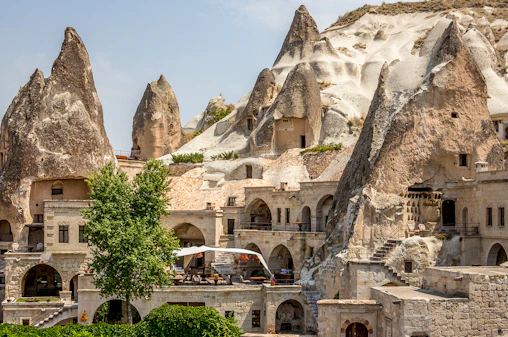
Guided photo outings target snow-dusted fairy chimneys and frozen valley trails across Göreme and nearby valleys. Operators keep groups small in low season and chase short winter light. Pack traction-friendly shoes, snow can turn viewpoints slick in minutes.
Ramadan brings nightly iftar gatherings at restaurants and around mosques across Göreme, Ürgüp, and Nevşehir. Days stay quieter, then streets and dining rooms fill at dusk. Plan dinner times around sunset and show extra care about eating and drinking in public during daylight.
Pre-dawn drummers walk through streets in Göreme, Ürgüp, and Avanos to wake residents for suhoor during Ramadan. It is a living Anatolian tradition, not a staged show. Light sleepers should pack earplugs, especially if you stay near town centres.
Cave hotels and balloon operators sell couples packages with sunrise flights and private cave dinners around 14 February. The focus sits on curated schedules and room upgrades rather than large public events. Book 4 to 6 weeks ahead, this is a winter demand spike.
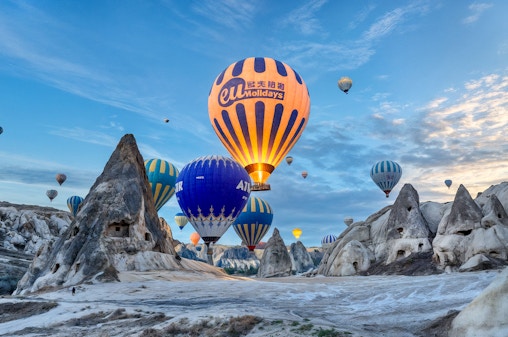
February balloon operations continue on clear, calm mornings, with strong views when snow highlights valley ridges. Ramadan begins mid-month, but tourist services keep running. Book flexible flights, weather shifts quickly, and keep your first morning free in case you need to rebook to a later day.
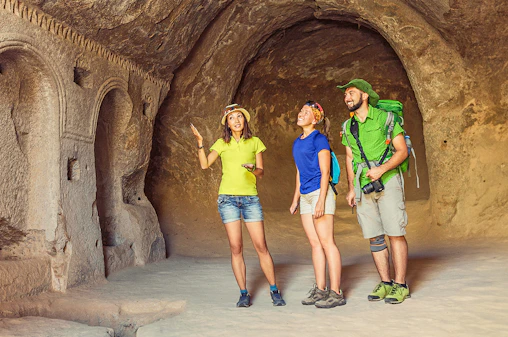
Local guides lead winter hikes in Rose Valley, Red Valley, and Pigeon Valley when snow conditions allow. The trails feel quieter than summer and the landscape changes fast after fresh snowfall. Wear footwear with grip and start earlier, February daylight ends before evening dining begins in Ramadan.
Cave hotel kitchens and local culinary schools in Göreme and Avanos run winter cooking classes focused on testi kebab and mantı. The classes fit low-season days when outdoor plans depend on snow and wind. Confirm schedules on arrival, winter programmes often run only a few times per week.
Plan ahead: must-visit experiences for Cappadocia in February