Cappadocia Tours

Plan your visit to Cappadocia's whirling dervish ceremonies

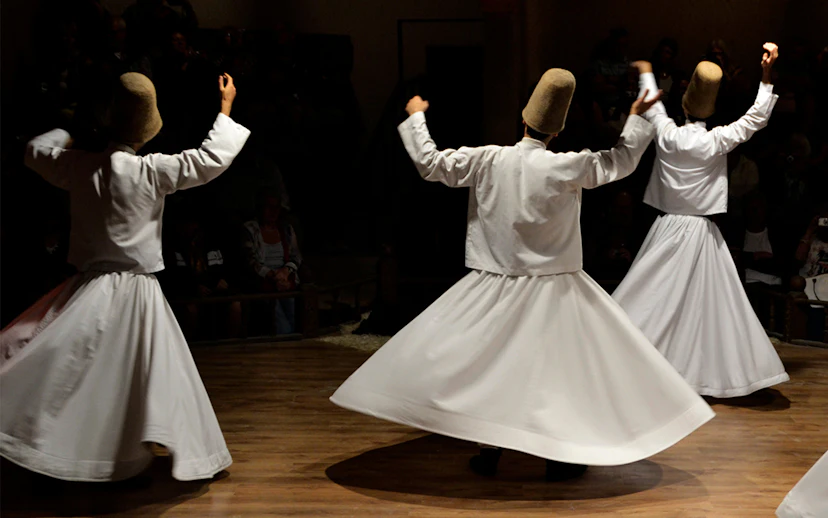
Whirling dervish ceremonies in Cappadocia are quiet evening rituals best known for their contemplative atmosphere and venue-led experience rather than spectacle. Most visits are compact and seated, but the biggest difference between a smooth evening and a stressful one comes down to picking the right venue type, transfer option, and arrival timing. This guide helps you plan around start times, logistics, ticket types, and what to expect once you arrive.

Quick overview: Cappadocia's whirling dervish ceremonies at a glance

A little planning goes a long way here because the ceremony is short, venue-specific, and often easier with transfers.

  • When to visit: Most ceremonies run in the evening, commonly around 18:00, and weekday slots are usually calmer than weekends because transfer demand and venue traffic are lighter.
  • Getting in: Standard ceremony tickets start from around $21-$22, while premium or venue-specific options can cost more; book ahead if you want a specific venue or transfer-inclusive option.
  • How long to allow: Allow around 45-75 minutes for the experience, depending on whether your ticket includes transfers or added interpretation.
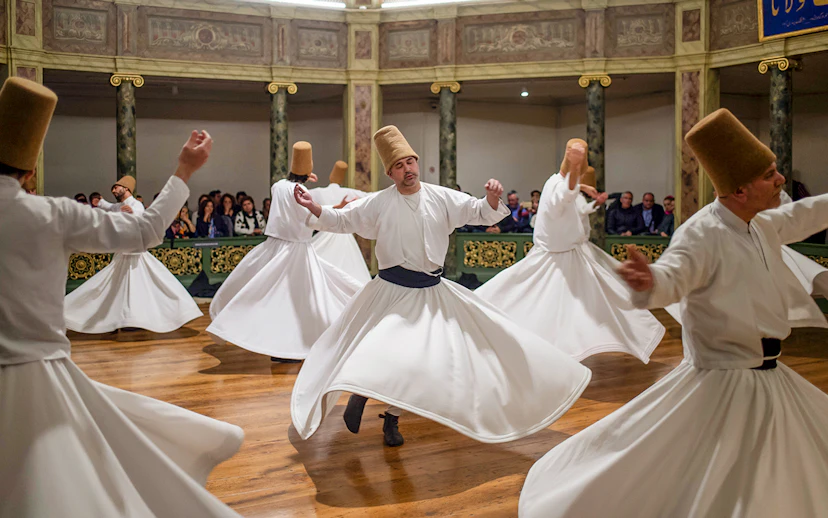
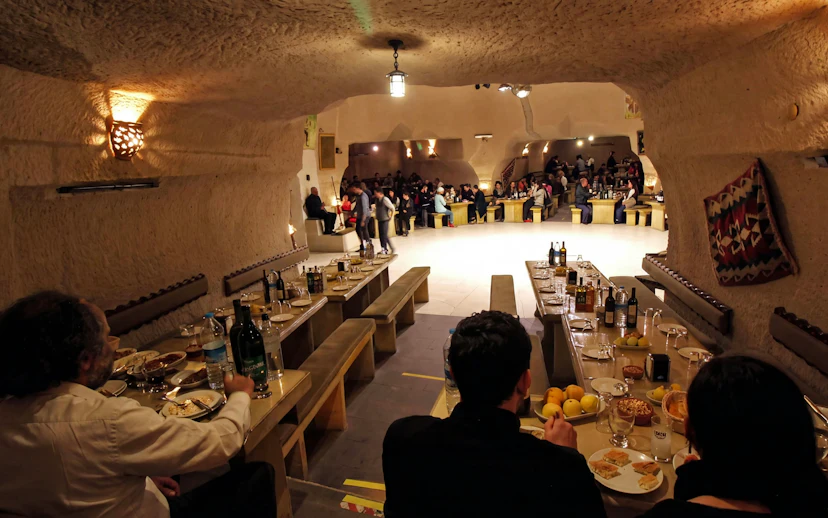
  • What most people miss: The venue setting changes the experience more than people expect, especially the difference between a historic caravanserai and a smaller cave venue.
  • Is a guide worth it? Interpretation is worth it if you want to understand the symbolism and sequence, but a standard ticket works well if you simply want to observe the ceremony respectfully.

Jump to what you need

Where and when to go

Hours, directions, entrances and the best time to arrive

How much time do you need?

Visit lengths, suggested routes and how to plan around your time

Which ticket is right for you?

Compare all entry options, tours and special experiences

Getting around Cappadocia

How the venues are laid out and what arrival flow makes the most sense

What to prioritise at the ceremony

Venue setting, ritual flow and the details most visitors overlook

Facilities and accessibility

Restrooms, access details, family planning and practical comforts

Where and when to go

Information is venue-dependent. Always verify your exact meeting point and ceremony start time on your Headout ticket page.

Location context

Cappadocia's whirling dervish ceremonies are usually held in Ortahisar, Goreme, Avanos, or at nearby caravanserai venues, so the easiest arrival plan depends on the venue attached to your ticket.

Address

Arrival instructions are venue-specific and may point to Saruhan Caravanserai, Motif Cave Center, or another named ceremony venue on your booking.

Google maps link

Use the directions link provided with your booking and open Google Maps before departure so you can navigate to the exact entry point without last-minute confusion.

Transport modes

  • Taxi: The simplest self-arrival option for evening ceremonies.
  • Hotel transfer: The lowest-friction option if included with your ticket.
  • Self-drive: Practical only if your venue offers straightforward parking.

How to arrive

Plan to arrive about 10 minutes before the ceremony starts so you can settle in quietly; late arrivals may be admitted only at the venue's discretion once seating has begun.

Entrance and start time

Start times are commonly around 18:00, but check your exact ticket details because each venue can run a slightly different check-in and seating window.

Last entry or end of day

The ceremony itself is short, but your overall end time can shift depending on the venue and whether your experience includes return transfers or a short post-ceremony moment.

How much time do you need?

Visit typeRouteDurationWalking distanceWhat you get

Standard ceremony

Self-arrival to venue

45-60 min

Not applicable

Standard whirling dervish ceremony admission in a cave or caravanserai setting

Transfer-included ceremony

Hotel pickup/drop-off plus transfer to venue

60-75 min

Not applicable

Ceremony with evening transfer and seated viewing

Audio-guided / interpretation-supported ceremony

Self-arrival or transfer; interpretation adds context

60-75 min

Not applicable

Ceremony plus interpretation or pamphlet for symbolism and sequence

Which ticket is right for you?

Ticket typeWhat's includedBest forPrice range

Standard ceremony

Admission to one whirling dervish ceremony

Visitors seeking a quiet, contemplative evening

From $22

Transfer-included ceremony

Ceremony + hotel pickup/drop-off

Visitors who want door-to-door handling after a long day

From $21

Ceremony + interpretation

Ceremony + pamphlet/audio guide

First-time visitors who want meaning behind the ritual

From $26

Historic caravanserai ceremony

Ceremony at a named heritage venue

Visitors chasing authenticity and premium ambience

From $50

Original/authentic premium (venue-named)

Ceremony in a named venue with enhanced context

Visitors seeking a premium, venue-specific experience

From $34

Getting around Cappadocia

Which entrance should you use?

The whirling dervish ceremonies in Cappadocia can take place at multiple venues, so there is no single main gate to plan around. Most ticket types provide venue-specific arrival guidance, and staff directions on arrival usually matter more than a universal entrance strategy.

Maps and navigation tools

  • Map: Use the venue-specific directions link on the operator or ticket page and download it before departure if available.
  • Signage: In-venue wayfinding varies, so follow staff instructions once you arrive.
  • Audio guide / app: Language support depends on the venue and ticket type, so check details while booking.
  • Large outdoor POIs: Not applicable here.

Pro tip: Save the exact venue directions before the evening begins because mobile navigation is easier to sort out in daylight than on the road just before check-in.

When is Cappadocia open?

Ceremonies generally run daily in the evening, often around 18:00, but the exact schedule changes by venue and season. Last entry also depends on your ticket, seating procedure, and whether transfers are part of the experience.

What to prioritise at the ceremony

Historic venue for whirling dervish ceremony
1/4

Venue setting

Historic caravanserai venues feel more atmospheric and ceremonial, while cave venues usually feel more intimate and compact. If ambience matters as much as the ritual itself, this is the first decision to make before booking.

The rhythm of the ceremony

Most ceremonies run for roughly 45-55 minutes and are built around a quiet, formal sequence rather than audience interaction. Go in expecting stillness, repetition, and symbolism rather than a theatrical folklore performance.

Etiquette and atmosphere

Silence and respectful observation are part of the experience, and that changes how you should prepare for the evening. Visitors who treat it as a ceremonial space rather than a show usually get much more out of it.

Interpretation and context

If you are new to the ritual, a pamphlet, audio guide, or interpreted format can make the symbolism and structure much easier to follow. If you are comfortable simply observing, a standard admission works perfectly well.

Facilities and accessibility

  • 🚻 Restrooms: Availability depends on the venue, so check what is offered at your specific ceremony location.
  • 🍽️ Cafes / food stalls: Some experiences may have light refreshments nearby or attached to the venue, but this varies by booking.
  • 🪑 Seating / rest areas: Seating is usually part of the ceremony setup, with guests settled before the ritual begins.
  • 📶 Wi-Fi: Connectivity is venue-dependent and should not be relied on for last-minute navigation.
  • 🅿️ Parking: Self-drive can work where parking is available, but evening transfers or taxis are usually easier.
  • ♿ Mobility: Accessibility varies widely by venue, with some locations easier to navigate than others depending on entry layout and interior surfaces.
  • 👁️ Visual impairments: Audio or interpretive support may be available with some ticket types, but this is not universal across venues.
  • 🧠 Cognitive and sensory needs: The ceremony itself is quiet and structured, which may suit visitors looking for a calmer experience than a folklore show.
  • 👨‍👩‍👧 Families and strollers: Families can attend, but stroller comfort and movement space depend on the specific venue.

This experience suits older children best, especially those comfortable sitting quietly through a formal ceremony.

  • 🕐 Time: Most families should expect a compact evening outing of around 45-75 minutes depending on transfers.
  • 🏠 Facilities: Family amenities depend on the booked venue rather than a shared site-wide standard.
  • 💡 Engagement: Set expectations before arrival so children understand this is a quiet ceremonial experience, not an interactive performance.
  • 🎒 Logistics: Bring only the essentials, keep arrival simple, and choose transfer-inclusive tickets if you do not want to manage night transport.
  • 📍 After your visit: The ceremony pairs well with a relaxed evening in Goreme or Ortahisar rather than another activity-heavy stop.

Know Before You Go

What you need to know before you go

  • Entry requirement: Your ticket type and booking confirmation determine your venue, timing, and whether transfers are included.
  • Bag policy: A small bag is the easiest option for evening entry and seating.
  • Re-entry policy: Since this is a short, timed ceremony, plan your evening assuming it is a one-entry experience.

Not allowed

  • Food and drink: Follow the venue's on-site policy and avoid bringing anything that could disrupt the ceremony.
  • Smoking or vaping: Treat the venue as a formal indoor experience unless staff direct you to a permitted area outside.
  • Pets: Service animal policies depend on the venue and should be checked before booking.
  • Safety and behavior: Quiet observation is the expected standard throughout the ritual.

Photography

Photography during the ceremony is typically not permitted, and some venues may only allow photos after the ritual has ended. If post-ceremony photography is allowed, follow staff instructions and avoid flash, intrusive movement, or equipment that distracts from the setting.

Good to know

  • Dress: Modest, respectful indoor attire is the safest choice even where no strict dress code is enforced.
  • Applause: Avoid clapping during the ceremony, since this is usually treated as silent observation rather than a stage performance.

Practical tips

  • Booking and arrival: Book ahead if you want a specific venue style or hotel transfer, and aim to arrive around 10 minutes early because late seating may not be possible once the ceremony begins.
  • Pacing: Read the ritual background before the main sequence starts, since the ceremony is much easier to follow when you already understand its symbolism.
  • Crowds: Evening logistics feel simplest on weekdays, when transfer coordination and venue arrival tend to be less rushed than on busier weekend nights.
  • What to bring or leave behind: Carry a small bag only and keep your phone on silent, since compact indoor venues suit light packing and a low-distraction setup.
  • Food and drink: Plan dinner around the ceremony rather than during it, especially if you have a transfer-inclusive ticket and do not want to rush between pickup, check-in, and seating.

What else is worth visiting nearby?

Commonly Paired: Goreme Open Air Museum

Why people combine them: It pairs naturally with an evening ceremony because it gives you a strong daytime cultural anchor before a quieter, more reflective experience later on.

Book / Learn more: Head to the Goreme Open Air Museum page.

Commonly Paired: Sunset viewpoints near Goreme

Why people combine them: Sunset viewpoints fit neatly before or after the ceremony if you want to shape the evening around one scenic stop and one cultural experience.

Book / Learn more: Browse nearby viewpoints pages.

Also nearby

Pasabag (Monks Valley): Known for its striking fairy chimneys and easy-to-recognize rock formations.

Devrent Valley: Worth a stop if you want unusual landscapes and some of Cappadocia's most playful natural shapes.

Eat, shop and stay near Cappadocia's whirling dervish ceremonies

  • On-site: Some venues may have nearby cave restaurants or simple venue-adjacent dining, but the best choice depends on your ceremony location.
  • Nearby: Goreme and Ortahisar usually give you the widest range of pre-ceremony and post-ceremony meal options.
  • Gift shops near venues: Some ceremony locations and nearby tourist areas have souvenir stops geared toward quick purchases.
  • Local crafts and souvenirs: Goreme and surrounding towns are the better bet if you want a broader choice beyond venue-adjacent shopping.

Yes, staying in Goreme or Ortahisar can make an evening ceremony much easier to plan because you cut down on night transport and keep the day flexible.

  • Price point: The area spans everything from cave hotels to simpler stays, so your budget can usually shape the choice.
  • Best for: Visitors who want an easy evening plan without a long return journey after the ceremony.
  • Consider instead: Larger towns or different Cappadocia bases may suit you better if the ceremony is only one small part of a broader regional itinerary.

Frequently asked questions about visiting Cappadocia's whirling dervish ceremonies

Most visits take about 45-75 minutes in total, depending on whether your ticket includes transfers or added interpretation. The ceremony itself is usually under an hour, but you should also allow time for arrival, seating, and any short post-ceremony wrap-up.

More reads

Cappadocia whirling dervish tickets

Cappadocia whirling dervish highlights

Getting to Cappadocia's whirling dervish ceremonies

Cappadocia travel guide