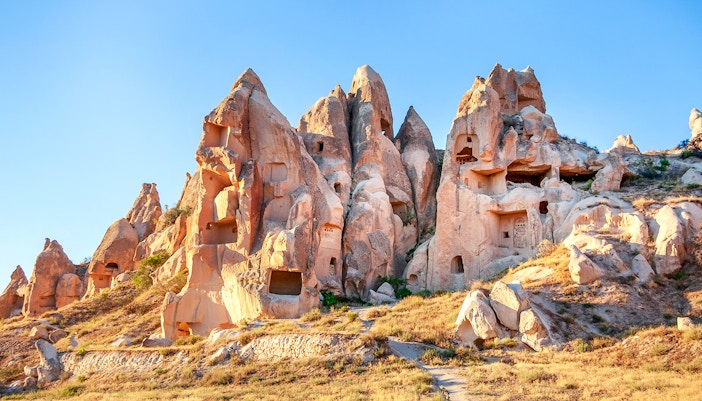
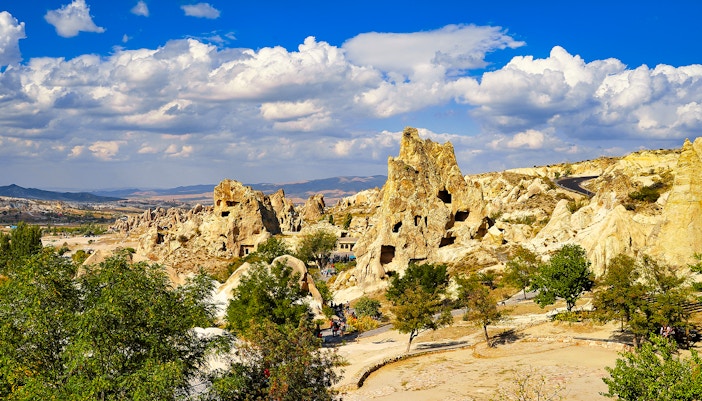
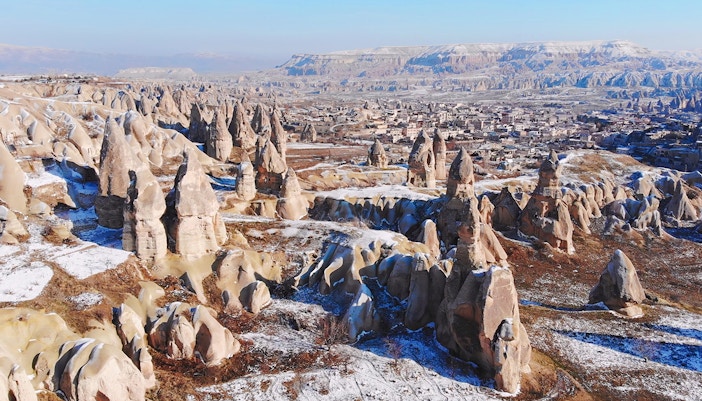
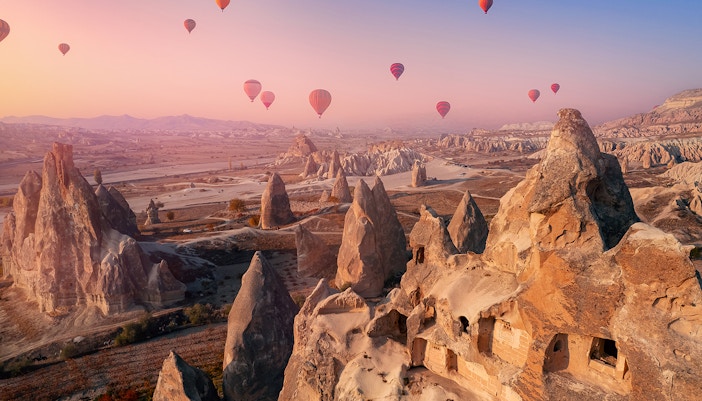
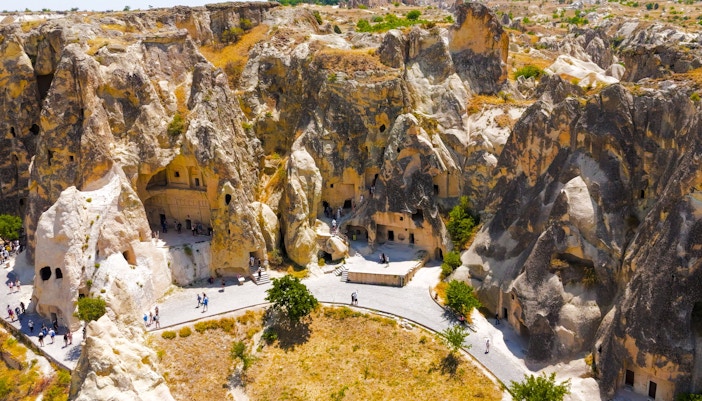
Goreme Valley is renowned for its stunning fairy chimneys, towering rock formations sculpted over millions of years by volcanic eruptions and erosion. These natural spires captivate visitors with their whimsical shapes and serve as a testament to the valley’s dynamic geological history.
Fascinating facts about Goreme Valley in Cappadocia
Goreme Valley is a natural wonder celebrated for its surreal landscape and deep cultural roots. Learn more about the region, from geological marvels and UNESCO recognition to local traditions, to better understand its uniqueness and make your visit even more memorable.
9 things you need to know about Goreme Valley
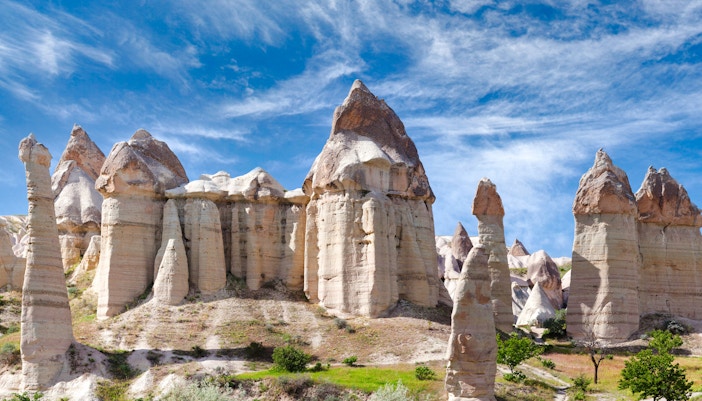
1. The enchanting fairy chimneys
2. A UNESCO World Heritage treasure
The valley’s exceptional landscape and cultural heritage have earned it UNESCO World Heritage status. This recognition underscores Goreme Valley’s significance as not only a geological marvel but also a site where ancient human ingenuity and natural beauty coexist.
3. Unique flora and fauna
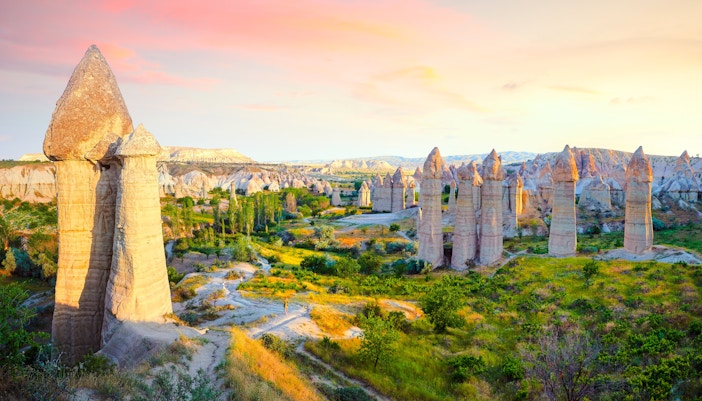
The diverse microclimates within Goreme Valley support an array of unusual flora and fauna. Many species have adapted to the rugged, rocky terrain, making the valley a living museum of biodiversity where rare plants and wildlife thrive. Some endemic species of plants include the Cappadocia Evening Star, the Cappadocia Onion, and species from the Honeydew and Iris families.
4. The surprising value found in the volcanic soil
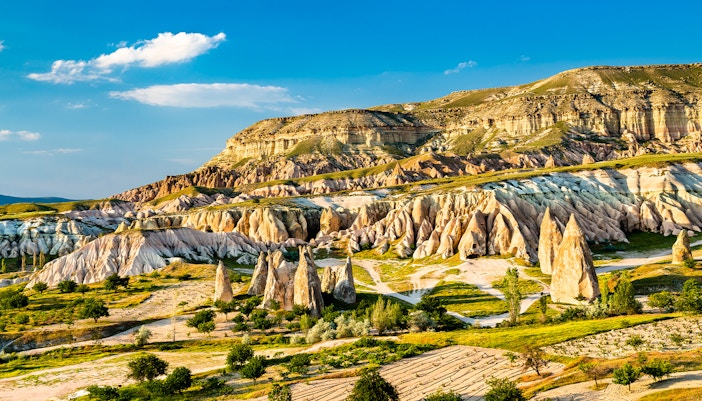
The volcanic soil is extremely porous and fertile, and its absorbent nature supports a multitude of plant life, leading to its rich biodiversity in terms of flora. Scientists and researchers continue to explore the hidden caves and valleys and manage to find undiscovered species that thrive in these unique microclimates even today!
5. Living cultural heritage
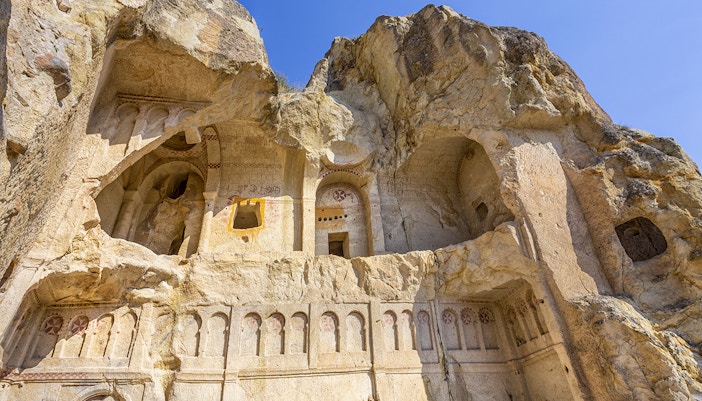
Local communities in and around Goreme Valley have nurtured traditions for generations. Their ancient cave dwellings, pottery craftsmanship, and oral storytelling not only enhance the valley’s mystique but also offer visitors a genuine glimpse into traditional Anatolian life.
6. Sights preserved in time
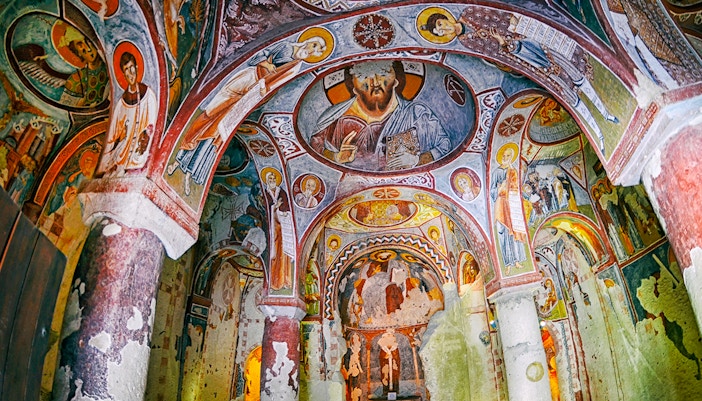
You can view stunning Byzantine frescoes from the 9th to 11th centuries, like the ones found in the Dark Church, which are some of the best preserved frescoes in the world, still relatively untouched by the passage of time.
7. Underground civilizations
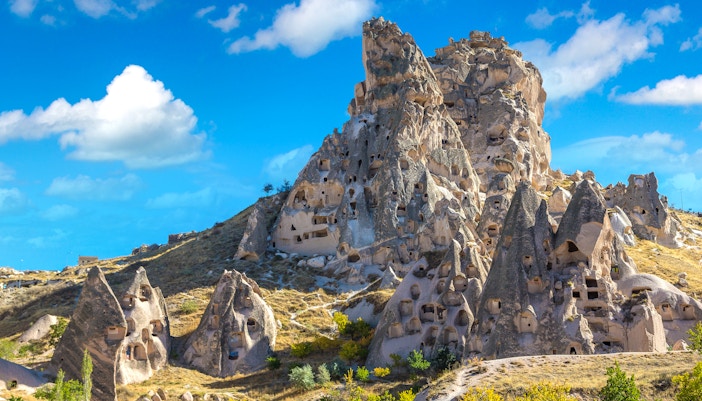
The naturally cut rock created an ideal landscape for entire cities to form and thrive for centuries, and inhabitants have been settling in Goreme Valley caves since the 4th century. Underground cities with churches, monasteries, and more, developed since then as the hidden landscape provided protection from invaders.
8. Harmonious local living
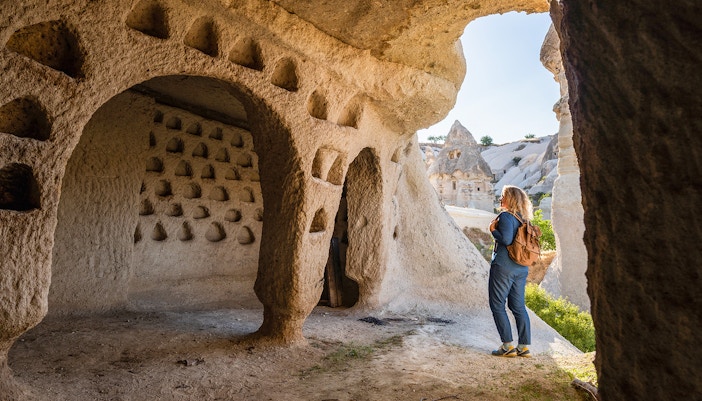
Residents of the region live in close harmony with the extraordinary landscape. By blending modern life with centuries-old traditions, locals maintain a sustainable lifestyle and offer authentic insights into how communities thrive amid such a unique natural setting.
9. Its connection to the Bible
Cappadocia, the region that houses Goreme Valley, is named in the New Testament of the Bible. The region is considered to be the home of early Christians and Jews, in Acts 2:9 and 1 Peter 1:1.
Frequently asked questions about Goreme Valley facts
Beyond its famous fairy chimneys, Goreme Valley boasts hidden underground sites, a rich tapestry of local traditions, and unique ecological systems that support rare species. Its blend of natural and cultural history continually surprises visitors.
While exact numbers vary with ongoing erosion and natural changes, the valley is home to hundreds of fairy chimneys. Each one contributes to the region’s legendary landscape and offers its own story of formation.
UNESCO recognition is based on Goreme Valley’s exceptional natural beauty and its well-preserved historical and cultural heritage. The site represents both the dynamic forces of nature and centuries of human tradition in the region.
Goreme Valley’s rocky terrain and microclimates support rare plant species and animal life adapted to harsh environments. Visitors may encounter endemic wildflowers, reptiles, and birds that thrive in the unique conditions of the area.
The valley is best visited during early mornings or late afternoons. These times not only provide cooler temperatures and softer lighting for photography but also help avoid the peak crowds common during midday.